Uncategorized

Uncategorized

Social Media Marketing: How to Grow Your Business on Social Media

Introduction Social media has become one of the most powerful tools for businesses to connect with customers, promote products, and build brand awareness. Platforms like Instagram, Facebook, LinkedIn, YouTube, and TikTok have changed how businesses communicate with their audiences. Today, simply having a social media account is not enough. Businesses need a proper strategy to attract attention, build relationships, and turn followers into customers. This is where Social Media Marketing (SMM) plays an important role. In this blog, let’s explore what social media marketing is, why it matters, and how businesses can use it to grow online. What Is Social Media Marketing? Social Media Marketing (SMM) is the process of promoting a business, product, or service through social media platforms. It involves creating and sharing content, interacting with audiences, running paid advertisements, and analyzing performance. For example, a clothing brand can use Instagram to showcase new collections, Facebook to reach potential customers, and social media advertisements to generate sales. Why Is Social Media Marketing Important? Social media marketing helps businesses develop a strong online presence and connect with their target audience. Here are five important benefits: 1. Brand Awareness Introduce your business to new audiences and make more people familiar with your brand. 2. Customer Engagement Interact with customers through comments, messages, stories, polls, and live sessions. 3. Website Traffic Share website links and promotional content to bring visitors to your website. 4. Lead Generation Use social media content, lead forms, and advertising campaigns to attract potential customers. 5. Business Growth Build customer relationships, promote products, and create opportunities for sales. Popular Social Media Platforms for Marketing 1. Instagram Instagram is ideal for visual content, Reels, Stories, product promotion, and influencer collaborations. 2. Facebook Facebook helps businesses build communities, share updates, connect with customers, and run Meta Ads. 3. LinkedIn LinkedIn is useful for professional networking, B2B marketing, personal branding, and business development. 4. YouTube YouTube allows businesses to publish tutorials, product demonstrations, educational videos, and long-form content. 5. TikTok TikTok helps brands reach audiences through short-form videos, trends, and creative storytelling. How to Create a Successful Social Media Marketing Strategy Step 1: Define Your Marketing Goals Before creating content, identify what you want to achieve. Your goals might include: Step 2: Identify Your Target Audience Understand who you want to reach. Research their interests, age groups, location, challenges, and online behaviour. This helps you create content that connects with the right people. Step 3: Choose the Right Platforms You don’t need to be active on every social media platform. Choose platforms based on your business type and where your target audience spends time. Step 4: Create Engaging Content Content is the foundation of social media marketing. Some effective content formats include: Step 5: Maintain a Content Calendar Plan your posts in advance to maintain consistency. A content calendar helps organize topics, captions, creatives, publishing dates, and platforms. Step 6: Engage With Your Audience Respond to comments, answer questions, reply to messages, and encourage conversations. Building relationships is just as important as publishing content. Step 7: Analyze Your Performance Use platform insights and analytics tools to understand what works. Monitor reach, impressions, engagement rate, profile visits, website clicks, and conversions. Organic Social Media Marketing vs Paid Social Media Marketing There are two major approaches to social media marketing. Organic Social Media Marketing Organic marketing involves publishing content without paying for advertising distribution. Examples: Paid Social Media Marketing Paid marketing involves investing in advertisements to reach selected audiences. Examples: The best approach: Combine organic content with paid advertising to build brand awareness and support business growth. Best Tools for Social Media Marketing Here are some useful tools for social media marketers: Common Social Media Marketing Mistakes to Avoid Conclusion Social Media Marketing is more than just posting pictures and videos. It is about building relationships, communicating with the right audience, and creating meaningful connections with customers. With a clear strategy, engaging content, consistent communication, and performance analysis, businesses can use social media to strengthen their online presence and achieve marketing goals. Start creating valuable content, understand your audience, and turn your social media presence into a powerful business growth opportunity. Let’s build your brand, grow your audience, and make your business stand out on social media!
Uncategorized

E-commerce: How to Start an Online Store and Grow Your Business

Introduction Shopping has changed significantly with the growth of the internet. Today, people can purchase clothes, electronics, beauty products, groceries, and almost anything online with just a few clicks. This transformation has created exciting opportunities for entrepreneurs and businesses through E-commerce. Whether you are planning to start a small online business or expand an existing brand, having an e-commerce store can help you reach customers beyond your local area. In this blog, let’s explore what e-commerce is, how to build an online store, and how to grow it using digital marketing strategies. What Is E-commerce? E-commerce, also known as electronic commerce, is the process of buying and selling products or services through the internet. For example, when a customer purchases a T-shirt from an online clothing store, the transaction is an example of e-commerce. Popular e-commerce platforms include Amazon, Flipkart, Shopify, and WooCommerce. Why Is E-commerce Important? E-commerce provides businesses with opportunities to sell products online and reach a wider audience. Here are five important benefits: How to Start Your Own E-commerce Store: 7 Steps Step 1: Choose Your Product Start by deciding what you want to sell. Choose products based on customer demand, market opportunities, competition, and your business interests. Examples: Step 2: Research Your Target Audience Understand who your potential customers are. Consider their age, interests, location, shopping preferences, and purchasing behaviour. Knowing your audience helps you choose the right products and marketing strategies. Step 3: Choose an E-commerce Platform Select a platform to build your online store. Some popular options include: Choose a platform based on your budget, technical knowledge, and business requirements. Step 4: Build Your Online Store Create a professional website that makes shopping easy. Your online store should include: Make sure your website is mobile-friendly and easy to navigate. Step 5: Add Products and Payment Methods Upload high-quality product images and write clear product descriptions. Include product prices, available sizes, colours, features, and shipping information. Set up suitable payment methods and delivery options for your target market. Step 6: Optimize Your Website with SEO Search Engine Optimization helps your online store appear in relevant Google search results. Important e-commerce SEO techniques include: Step 7: Launch Your Online Store Before launching, test your website, product pages, checkout process, payment methods, and mobile experience. Once everything works correctly, publish your store and start promoting your products. How to Grow Your E-commerce Business with Digital Marketing Building an online store is only the beginning. You also need effective marketing strategies to attract visitors and convert them into customers. 1. SEO (Search Engine Optimization) Optimize your website and product pages to attract organic traffic from Google. 2. Meta Ads Use Facebook and Instagram advertising to showcase your products, reach potential customers, and generate sales. 3. Google Ads Run shopping and search campaigns to connect with people actively searching for products. 4. Social Media Marketing Use Instagram, Facebook, and other social platforms to showcase products, share customer reviews, and build brand awareness. 5. Content Marketing Create useful blog posts, product guides, videos, and tutorials to attract and educate potential customers. 6. Email Marketing Send product updates, special offers, abandoned-cart reminders, and newsletters to engage existing customers. Common E-commerce Mistakes to Avoid Avoiding these mistakes can create a better shopping experience and improve your store’s performance. Conclusion E-commerce has made it easier than ever for entrepreneurs to start and grow an online business. However, building a successful online store requires more than uploading products to a website. You need the right products, a user-friendly website, effective digital marketing, and a good customer experience. Start small, understand your customers, test different marketing strategies, and continuously improve your online store. Your next business idea could become the next successful online store!

Uncategorized

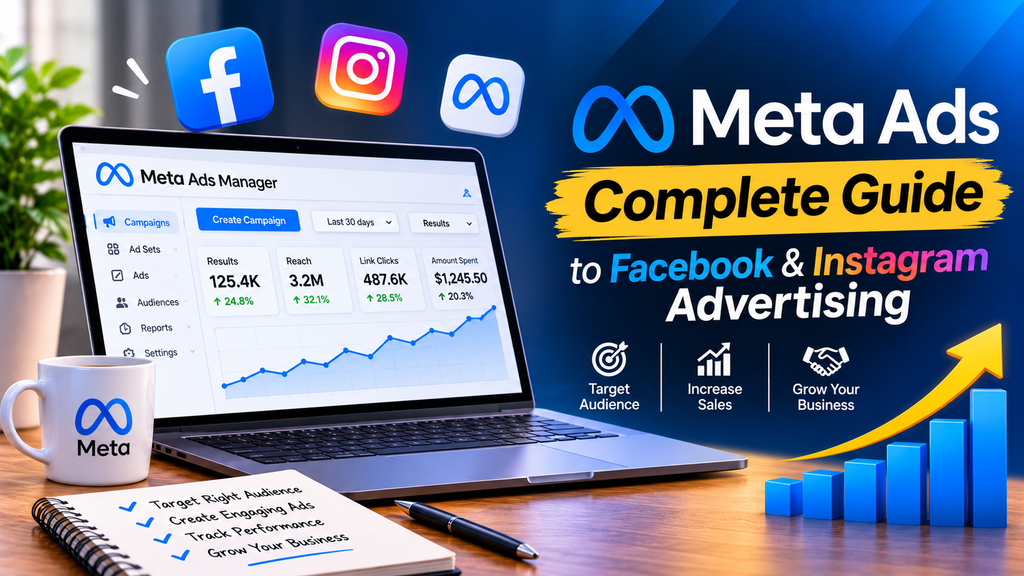
Meta Ads: How to Grow Your Business with Facebook and Instagram Advertising

Introduction In today’s digital world, businesses need more than just a website to attract customers. They need effective marketing strategies to reach the right audience at the right time. One of the most powerful ways to achieve this is through Meta Ads. Meta Ads allow businesses to promote their products and services across platforms like Facebook, Instagram, Messenger, and the Meta Audience Network. Whether you are a small business owner, an e-commerce entrepreneur, or a digital marketer, Meta advertising can help you increase brand awareness, generate leads, and drive sales. What Are Meta Ads? Meta Ads are paid advertisements created through Meta Ads Manager. They help businesses connect with potential customers based on their interests, behaviours, demographics, and other targeting signals. For example, imagine you own an online clothing store. With Meta Ads, you can promote your latest collection to people who may be interested in fashion and online shopping. This makes advertising more targeted and measurable than simply posting content on social media. Why Are Meta Ads Important for Businesses? Meta Ads offer several benefits for businesses looking to grow online. 1. Reach the Right Audience Meta’s advertising system helps businesses reach relevant audiences using available targeting and delivery options. 2. Increase Brand Awareness Promote your business to more people and introduce your products or services to potential customers. 3. Generate Quality Leads Use lead generation campaigns to collect enquiries from people interested in your services. 4. Drive Website Traffic Send potential customers directly to your website, landing page, or online store. 5. Increase Sales Promote products, offers, and services to encourage purchases and conversions. Different Types of Meta Ads Campaign Objectives Meta Ads Manager provides different campaign objectives depending on your business goals. 1. Awareness Build recognition and introduce your brand to potential customers. 2. Traffic Bring visitors to your website, landing page, app, or other destinations. 3. Engagement Encourage interactions such as messages, video views, and other engagement actions. 4. Leads Collect customer enquiries through instant forms, calls, messages, or website experiences. 5. App Promotion Encourage people to install and engage with your mobile application. 6. Sales Find potential customers who are likely to purchase your products or services. How to Create a Meta Ads Campaign: Step-by-Step Guide Step 1: Set Up Meta Business Tools Create a Meta Business Portfolio and connect your Facebook Page, Instagram account, and advertising account. Step 2: Open Meta Ads Manager Access Ads Manager to create, manage, and monitor your advertising campaigns. Step 3: Choose Your Campaign Objective Select an objective based on your goal, such as awareness, traffic, leads, engagement, app promotion, or sales. Step 4: Define Your Audience Understand your target customers. Consider their interests, location, age range, and potential buying behaviour. Use appropriate audience suggestions and targeting options. Step 5: Set Your Budget Decide how much you want to spend on advertising. Start with a manageable budget and monitor performance before making changes. Step 6: Create Attractive Ad Creatives Design engaging images, videos, and ad copy that communicate your offer clearly. A good advertisement should include: Step 7: Launch and Monitor Your Campaign Review your campaign settings, publish your advertisement, and monitor its performance through Ads Manager. Important Meta Ads Metrics Every Marketer Should Know Understanding advertising metrics helps you make better marketing decisions. 5 Common Meta Ads Mistakes to Avoid Avoiding these mistakes can help improve your campaign management and advertising strategy. Meta Ads for E-commerce Businesses Meta Ads are particularly useful for e-commerce brands. Businesses can use different advertising strategies to promote their products, including: For example, an online fashion store can use product advertisements to showcase its latest collection and reach potential buyers. Conclusion Meta Ads have become an important part of modern digital marketing. They give businesses opportunities to reach potential customers, increase brand awareness, generate leads, and drive sales. However, successful advertising is not just about spending money. It requires the right strategy, creative content, audience understanding, and continuous performance analysis. Start learning, testing, and optimizing your campaigns to become a better performance marketer. Want to grow your business through smart advertising? Let’s create campaigns that turn attention into action!

Uncategorized

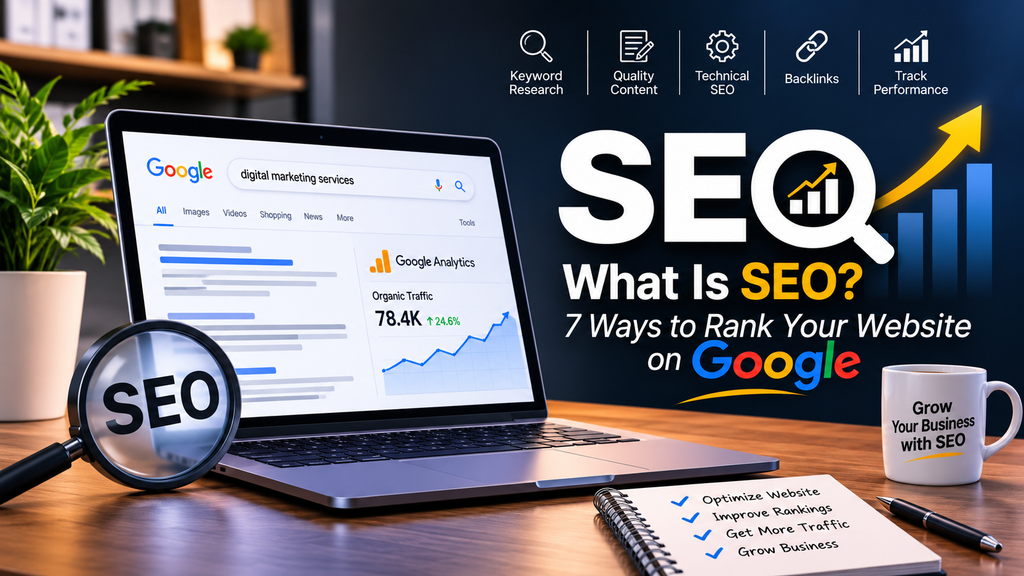
SEO Explained: How to Rank Your Website on Google and Grow Your Business

Introduction Have you ever wondered how some websites appear at the top of Google search results while others remain hidden? The secret behind this is often Search Engine Optimization (SEO). SEO is one of the most important digital marketing strategies for businesses that want to increase their online visibility, attract potential customers, and grow organically. Whether you own a small business, run an e-commerce store, or manage a personal website, understanding SEO can help you reach the right audience without depending entirely on paid advertisements. What Is SEO? SEO stands for Search Engine Optimization. It is the process of improving a website so that search engines like Google can understand its content and show it to people searching for relevant information. For example, when someone searches for “best digital marketing services near me,” Google displays websites that it considers relevant and useful. A well-optimized website has a better opportunity to appear in relevant search results. Why Is SEO Important for Your Business? SEO helps businesses build a strong online presence and reach potential customers. Here are five important benefits: Types of SEO You Should Know 1. On-Page SEO On-page SEO focuses on optimizing the content and elements within your website. Important techniques include: 2. Off-Page SEO Off-page SEO includes activities outside your website that help build its reputation and authority. Some important techniques are: 3. Technical SEO Technical SEO focuses on improving how search engines access, crawl, and understand your website. Important factors include: How to Rank Your Website on Google: 7 Practical Steps Step 1: Find the Right Keywords Keyword research is the foundation of SEO. Identify what your target audience searches for on Google. Example keywords: You can use tools like Google Keyword Planner, Google Trends, and Google Search Console. Step 2: Create High-Quality Content Content is an important part of SEO. Create original, informative, and helpful articles that answer your audience’s questions. Avoid copying content from other websites. Focus on providing real value to your readers. Step 3: Optimize Your Website Pages Use your main keyword naturally in your page title, main heading, URL, introduction, and relevant sections. Make your content easy to read with clear headings and short paragraphs. Step 4: Improve Website Speed Visitors prefer websites that load quickly. Optimize images, use reliable hosting, and reduce unnecessary plugins to improve performance. Step 5: Make Your Website Mobile-Friendly Many people browse the internet using smartphones. Ensure your website looks good and works properly on mobile, tablet, and desktop devices. Step 6: Build Quality Backlinks Backlinks are links from other websites pointing to your website. Focus on earning relevant, trustworthy links instead of buying spammy backlinks. Step 7: Track Your SEO Performance Use Google Analytics and Google Search Console to understand how your website performs. Monitor: Best SEO Tools for Beginners Here are some useful tools to start your SEO journey: Common SEO Mistakes to Avoid Remember, SEO requires consistency, patience, and continuous improvement. Conclusion SEO is not just about ranking higher on Google. It is about making your website more useful, accessible, and valuable to your target audience. By focusing on keyword research, quality content, technical improvements, and user experience, you can build a strong foundation for long-term organic growth. Start implementing these SEO strategies today and take your website one step closer to reaching the right audience. Want to grow your business online? Let’s build a smarter digital marketing strategy!

Scroll to Top